
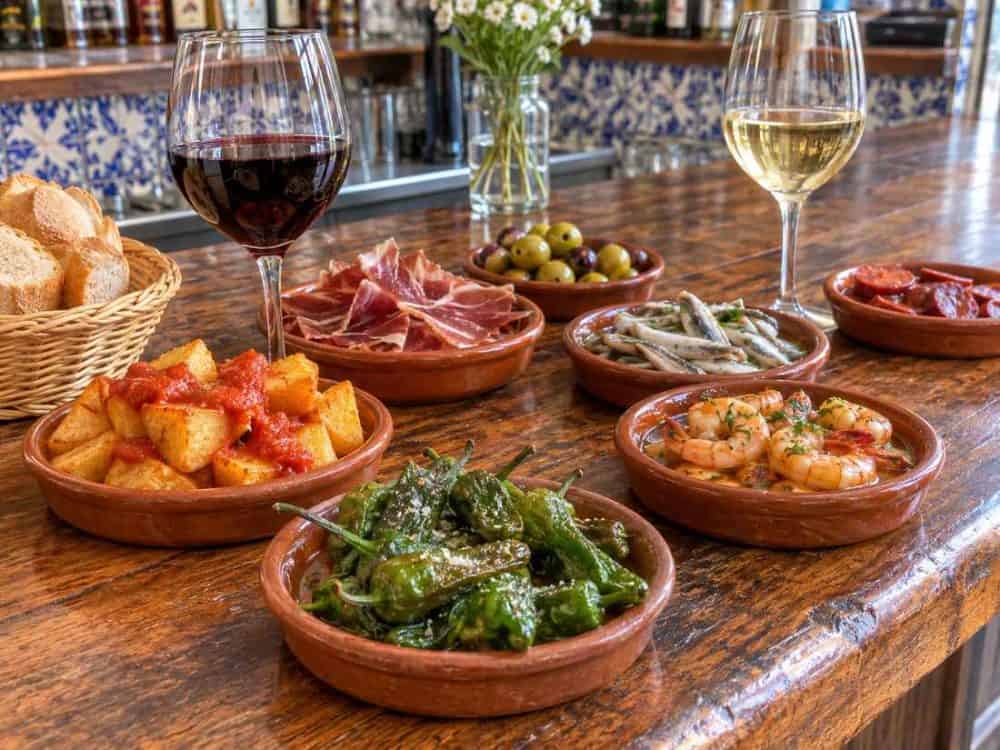
In short: The best Spanish tapas food starts with a handful of classics found in bars all over Spain: patatas bravas, tortilla española, croquetas, gambas al ajillo, pimientos de Padrón, pulpo a la gallega, albóndigas, boquerones, pan con tomate, olives, Manchego cheese and jamón. Order two or three plates per person to share, mix hot and cold dishes, and drink something cold and dry, such as a fino sherry or a small beer.
Tapas are small plates eaten with a drink. There are thousands of them, and every region and bar has its own, but a short list of dishes appears on menus across Spain and in Spanish restaurants abroad. This guide explains the best Spanish tapas food to start with, what each dish is and how to order. It was updated in November 2026 and replaces an older article at this address. For the history of the custom, see our introduction to tapas.
Some terms. A tapa is a small portion; a ración is a larger plate for sharing; a media ración is a half plate. Pintxos are the Basque version, often on bread with a cocktail stick. Alioli is a garlic and olive oil sauce.
What are the most popular Spanish tapas?
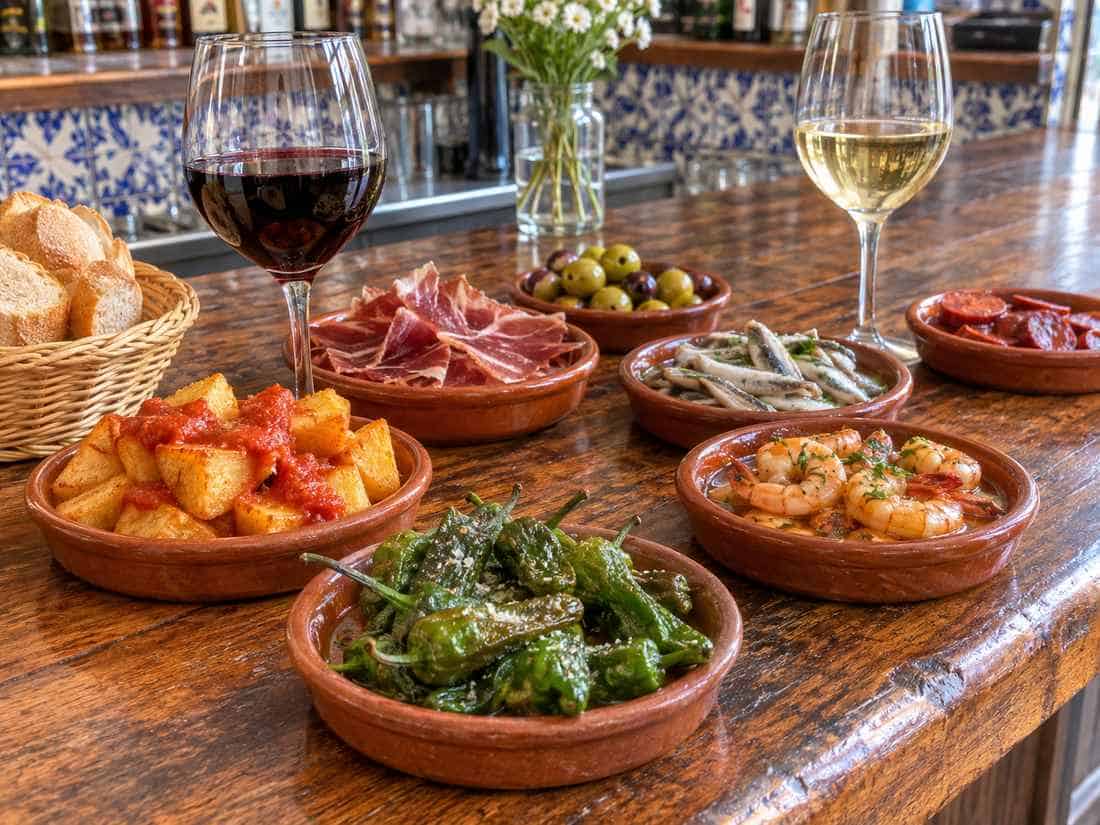
A reading text from Fluentech lists the classics that “appear on menus in almost every part of the country”: patatas bravas, croquetas, tortilla de patatas, gambas al ajillo, jamón ibérico, pulpo a la gallega, boquerones en vinagre and pimientos de Padrón. Responsible Travel and The Local Spain give similar lists. The 12 below cover hot, cold, meat, seafood and vegetable dishes.
Hot tapas
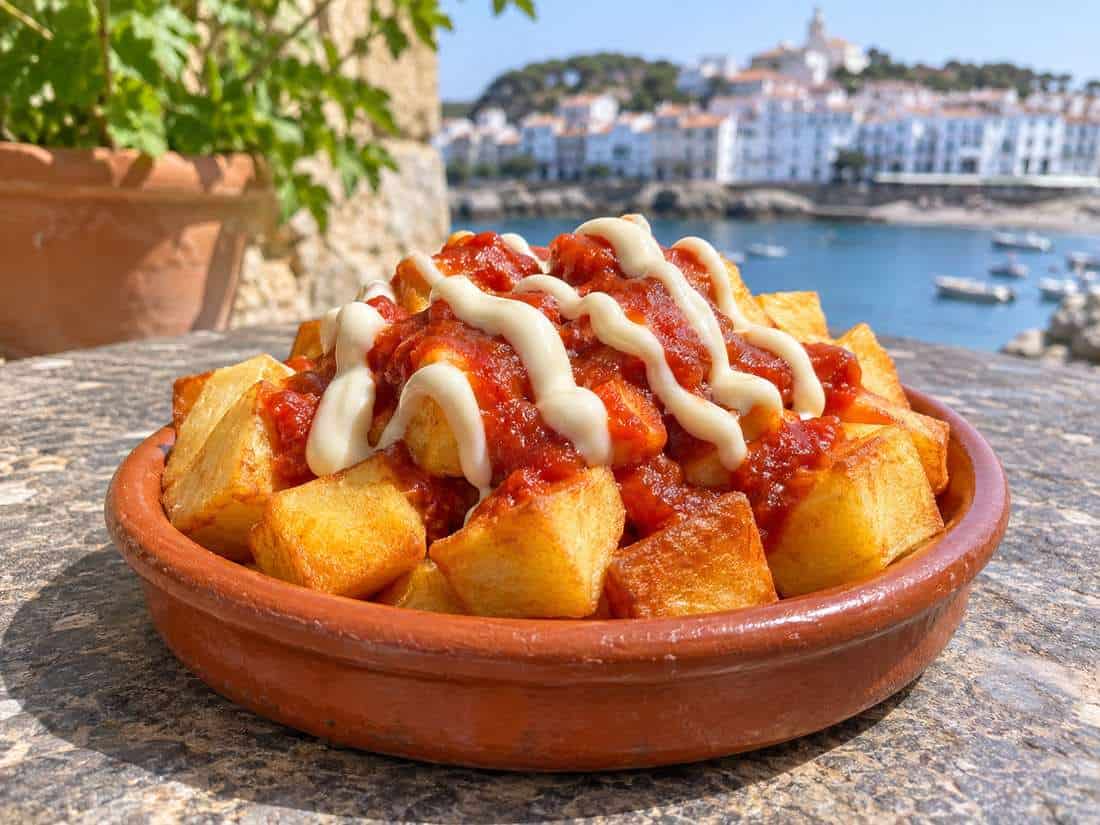
1. Patatas bravas
Chunks of fried potato with a spicy red sauce. According to TripMag, in Madrid the sauce is made with paprika and no tomato, while in Barcelona it usually comes with alioli too. It is one of the cheapest and most filling tapas.
2. Croquetas
Breadcrumbed and fried rolls with a creamy béchamel inside. The Local lists the classic fillings as jamón, bacalao (salt cod), boletus mushrooms, Cabrales blue cheese, squid in its ink and spinach. Many cooks say a good croqueta is the test of a kitchen.
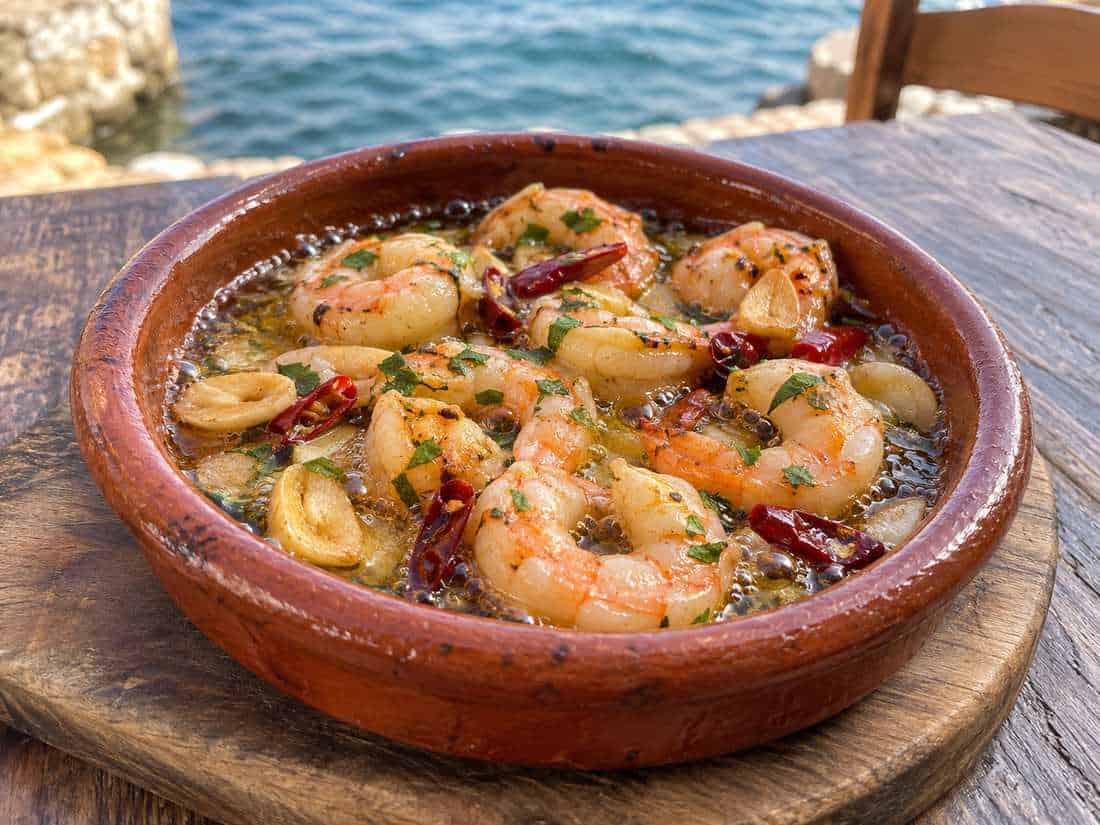
3. Gambas al ajillo
Prawns cooked in olive oil with sliced garlic and dried chilli, brought to the table still sizzling in a small clay dish. The garlicky oil left at the end is for mopping up with bread. Responsible Travel says the dish likely comes from the coast around Málaga.
4. Pimientos de Padrón
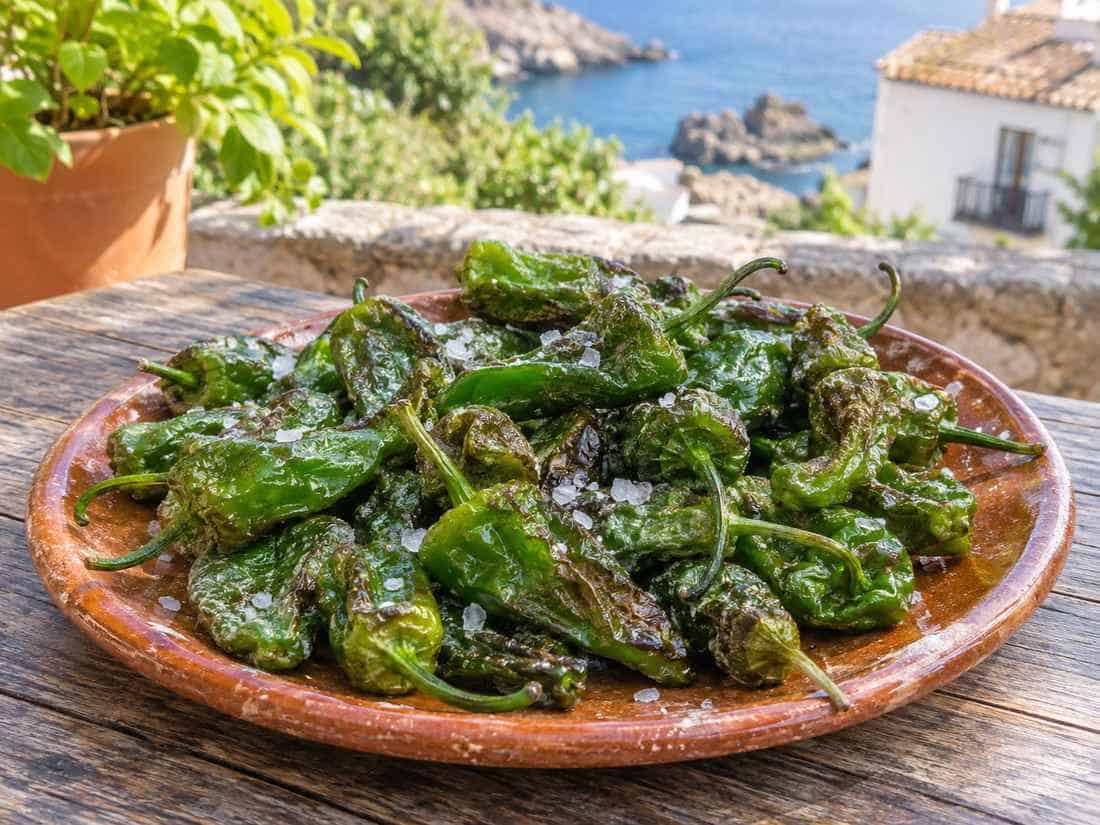
Small green peppers from Padrón in Galicia, fried whole in olive oil and finished with coarse salt. Most are mild, but one in a plate may be hot. The Spanish saying is “unos pican y otros no”: some are hot and some are not.
5. Albóndigas
Meatballs, usually pork and beef, simmered in a tomato or almond sauce. They are a filling choice for a larger group.
Cold tapas
6. Tortilla española
A thick omelette of potatoes cooked slowly in olive oil, set with egg and often onion, then cut into wedges. The Local calls it Spain’s unofficial national dish, and the debates over onion or no onion, runny or set, never end. It is usually served warm or at room temperature.
7. Pan con tomate
Toasted bread rubbed with ripe tomato, olive oil and salt, sometimes garlic. It comes from Catalonia, where it is called pa amb tomàquet, and goes with almost everything else on the table.
8. Boquerones en vinagre
Fresh anchovies marinated in vinegar, then dressed with olive oil, garlic and parsley. They are white, sharp and very different from salted tinned anchovies.
9. Olives, almonds and Manchego
The simplest tapas: a bowl of olives, salted Marcona almonds or slices of Manchego, a sheep’s milk cheese from La Mancha. These are what many bars serve with the first drink.
Meat and seafood plates
10. Jamón
Thin slices of cured ham. Jamón serrano is made from white pigs; jamón ibérico comes from Iberian pigs and is graded by breed and diet under a Spanish law of 2014. Our guide to jamón ibérico labels explains the black, red, green and white seals.
11. Pulpo a la gallega
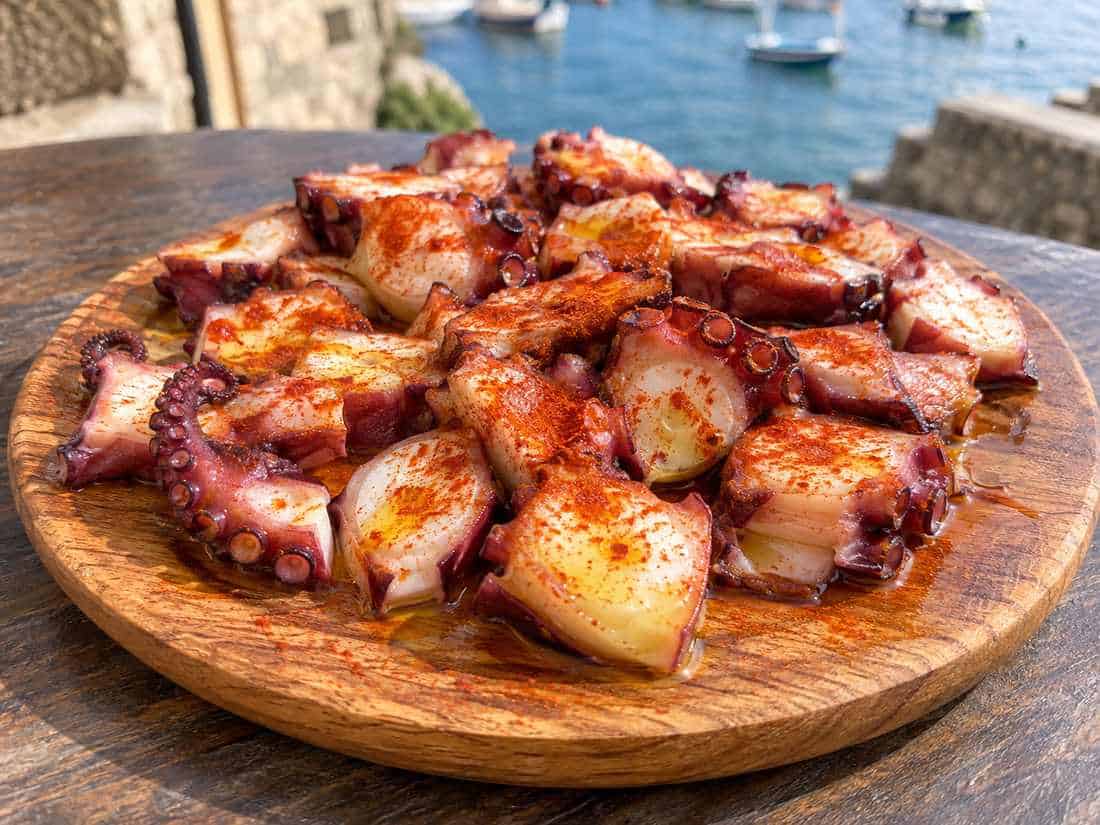
Galicia’s octopus dish: boiled octopus cut into rounds, served on a wooden plate with olive oil, paprika and coarse salt, sometimes on boiled potatoes. In Galicia it is fair-day food, sold at markets and in pulperías.
12. Chorizo
Paprika-cured pork sausage, served sliced and cold, or cooked. In Asturias it is often cooked in cider, according to Responsible Travel.
Vegetarian and lighter choices
Many classic tapas are vegetarian or close to it. Patatas bravas, tortilla, pan con tomate, pimientos de Padrón, olives, almonds and Manchego contain no meat or fish. Bars also often serve espinacas con garbanzos, a Seville dish of spinach and chickpeas with cumin, and pisto, a slow-cooked mix of peppers, tomato and courgette similar to ratatouille. Check croquetas, as most fillings use ham or fish, and ask about stock in stews. For a lighter meal, choose grilled vegetables, marinated anchovies, salads such as ensaladilla rusa in small portions, and cheese rather than fried dishes. Spanish bars tend to cook with plenty of olive oil, so even simple plates can be rich, and splitting each dish between several people is the easiest way to taste more without eating too much.
How to order Spanish tapas
- Order two or three dishes per person to share, then add more.
- Mix hot and cold dishes, and meat, seafood and vegetables.
- Ask what the house specialty is. Many bars are known for one dish.
- Start with something cold and quick, such as olives or jamón, while hot dishes cook.
- Drink something cold and dry. See our guide to pairing tapas with sherry, wine and beer.
In Spain, prices are usually per plate, and in some cities, such as Granada, a small tapa still comes free with each drink.
Tapas outside Spain
Tapas bars abroad often mix Spanish classics with local ingredients. In Hong Kong, for example, Wan Chai’s Ship Street had well-known tapas bars such as 22 Ships and Ham & Sherry, which mixed Spanish dishes with an Asian twist. Wherever you eat, the dishes above are the ones to look for first.
Key takeaways
- The classic Spanish tapas include patatas bravas, tortilla, croquetas, gambas al ajillo, pimientos de Padrón and pulpo a la gallega.
- A tapa is a small portion, a ración a sharing plate.
- Order two or three plates per person and mix hot and cold.
- Jamón ibérico is graded by colour-coded seals under a 2014 law.
- Cold, dry drinks such as fino sherry or a small beer suit most tapas.
Common questions
What is the most popular tapa in Spain?
There is no official answer, but patatas bravas, tortilla and croquetas appear on almost every menu.
How many tapas should I order per person?
Start with two or three per person and order more if you are still hungry.
What is the difference between tapas and pintxos?
Pintxos are the Basque version, usually small bites on bread held with a cocktail stick.
Are pimientos de Padrón spicy?
Most are mild, but now and then one is hot.
Are tapas free in Spain?
Usually not, but some cities, such as Granada, still serve a free tapa with each drink.
How we put this together: dish descriptions come from the food and travel sources listed below. Regional versions vary, and so do bar menus. Checked in November 2026.