
In short: The traditional dishes you should not miss in Hong Kong are dim sum at a yum cha breakfast or lunch, Cantonese roast goose and char siu, wonton noodles, congee, egg tarts, pineapple buns with butter, Hong Kong-style milk tea, beef brisket noodles, claypot rice in winter, curry fish balls, egg waffles and a bowl of dessert soup. Most cost little, and the best are often found in old, crowded, family-run shops.
Hong Kong food mixes Cantonese cooking with a century of British, Southeast Asian and other influences. A short trip is not enough for everything, but a dozen dishes give a good picture of how the city eats. This guide lists the traditional dishes you should not miss in Hong Kong, with a little history and tips. It was updated in November 2026 and replaces an older article at this address. For evenings, see our guide to Hong Kong nightlife.
Some terms. Yum cha means “drink tea” and refers to a dim sum meal. A cha chaan teng is a Hong Kong-style café. Siu mei is Cantonese roast meat. A dai pai dong is an open-air food stall.
1. Dim sum
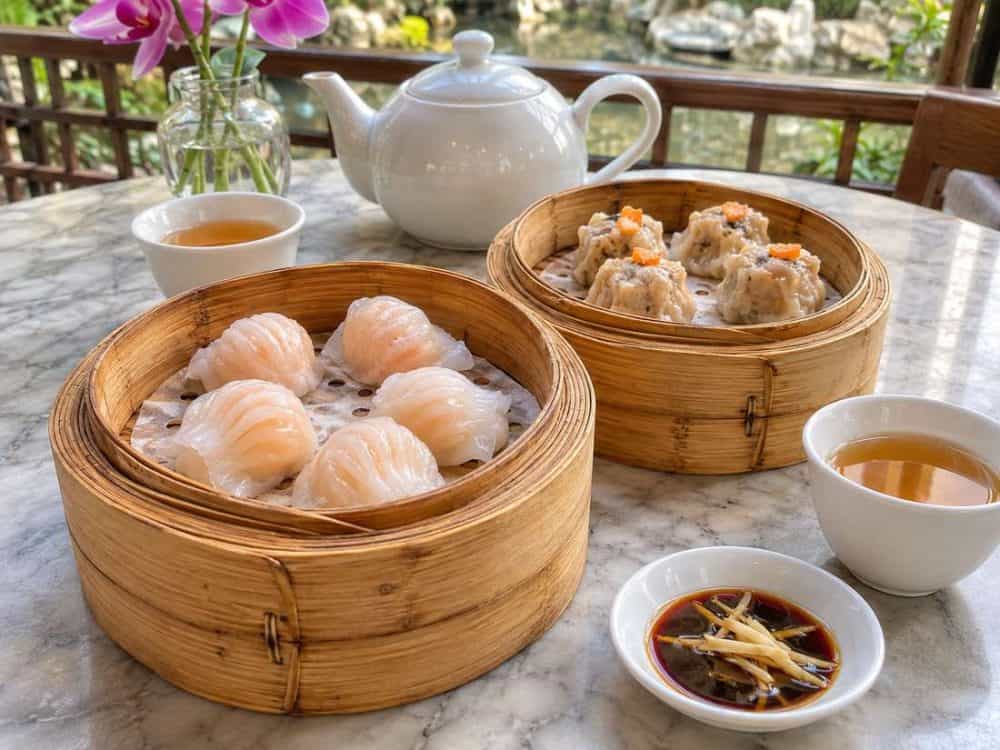
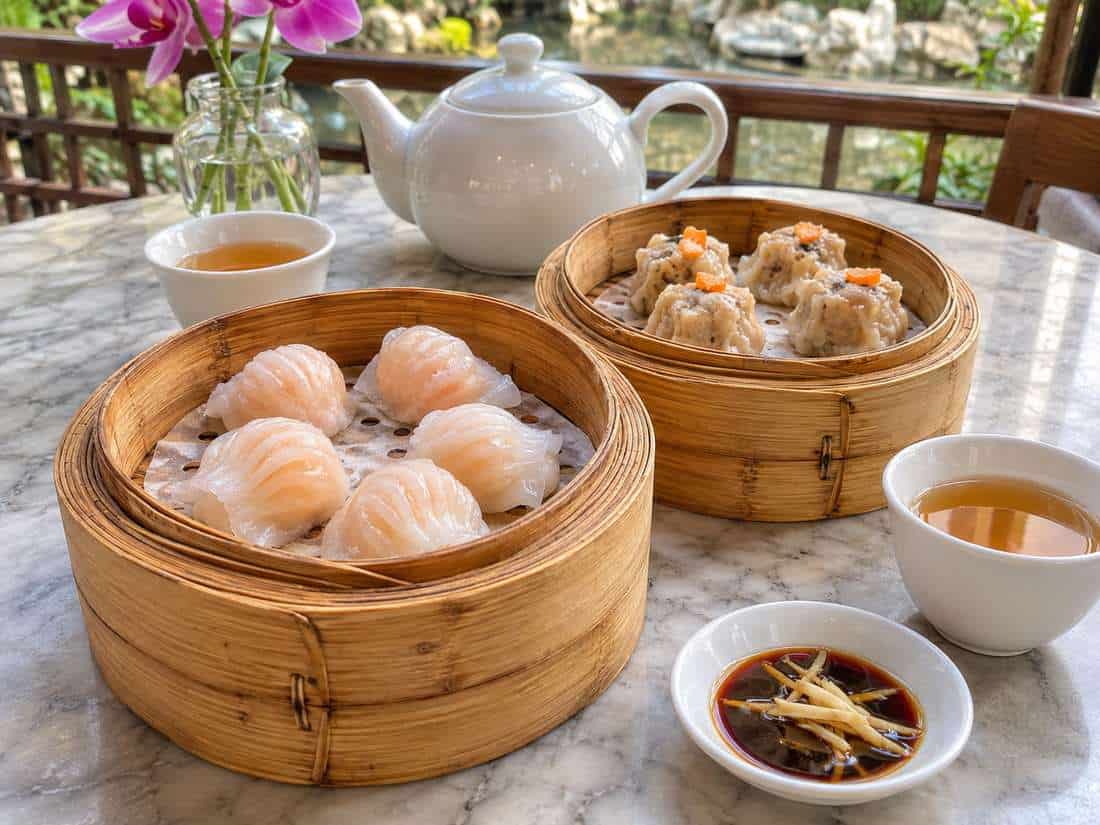
Small steamed, fried and baked dishes served with tea, usually from early morning to mid-afternoon. Classics include har gow (shrimp dumplings), siu mai (pork and shrimp dumplings), cheung fun (rice noodle rolls), char siu bao (barbecue pork buns) and chicken feet. Asiavela describes dim sum as the heart of Hong Kong food and notes the rule of “saam dim saam”, three o’clock tea, a traditional afternoon break. Go early at weekends: popular tea houses fill fast.
2. Roast goose
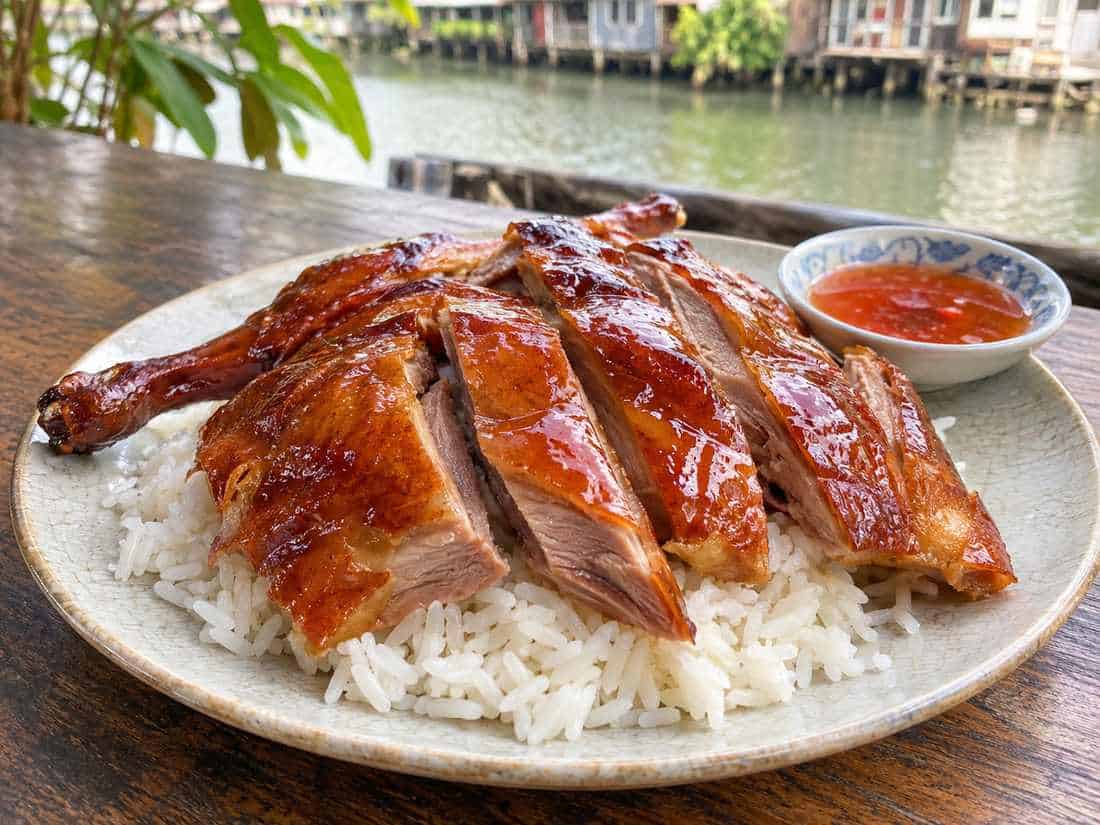
Siu mei shops hang glossy roast meats in their windows. Roast goose, with crisp skin and rich, juicy meat, is the most prized. Asiavela names Yat Lok in Central, open since 1957, as one of the best-known goose shops. Order it on rice or with rice noodles, with plum sauce on the side.
3. Char siu
Cantonese barbecue pork, marinated in honey, soy and spices, then roasted until the edges are sticky and dark. It is eaten on rice, in buns, or with roast pork belly (siu yuk) in a mixed plate.
4. Wonton noodles
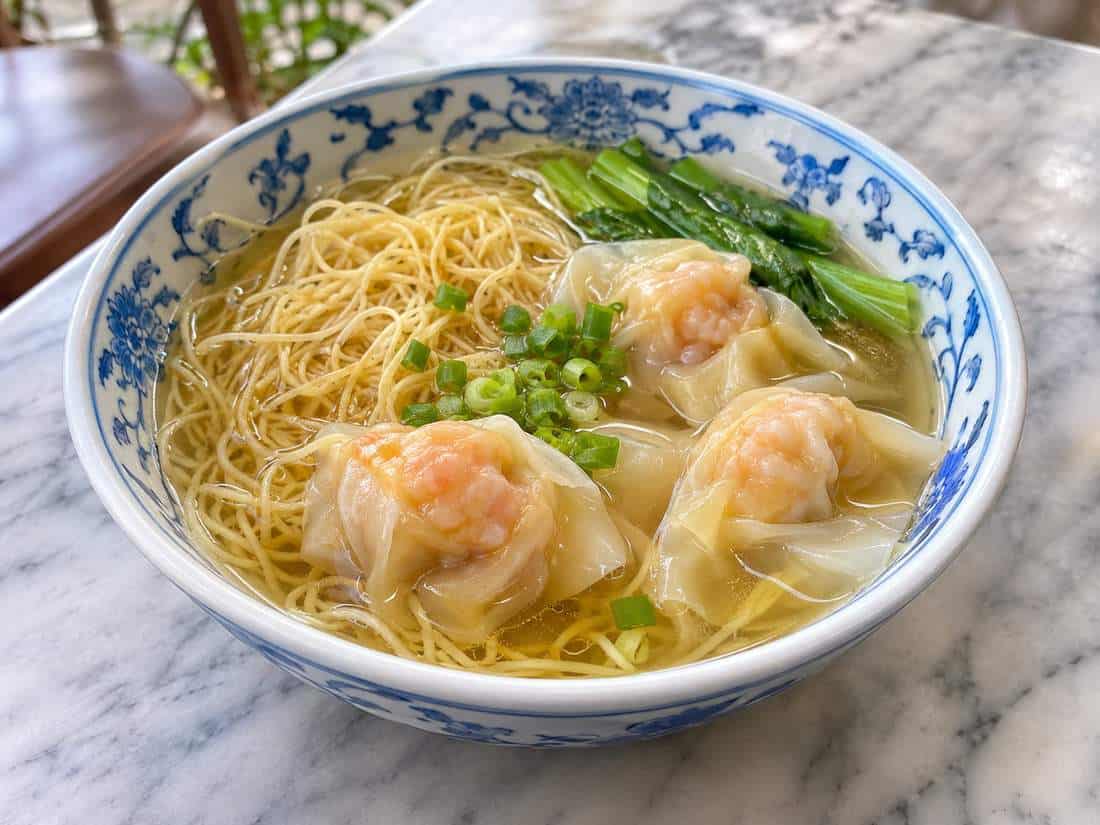
Thin, springy egg noodles in clear broth with shrimp wontons, usually in a small bowl. Forbes Travel Guide lists wonton noodles among the quintessential Hong Kong foods. Traditional shops serve the noodles al dente and the bowl small, so many people order two.
5. Congee
Rice porridge cooked until smooth, with additions such as fish, pork and century egg, or beef. It is a breakfast and late-night dish, often eaten with fried dough sticks (yau char kwai).
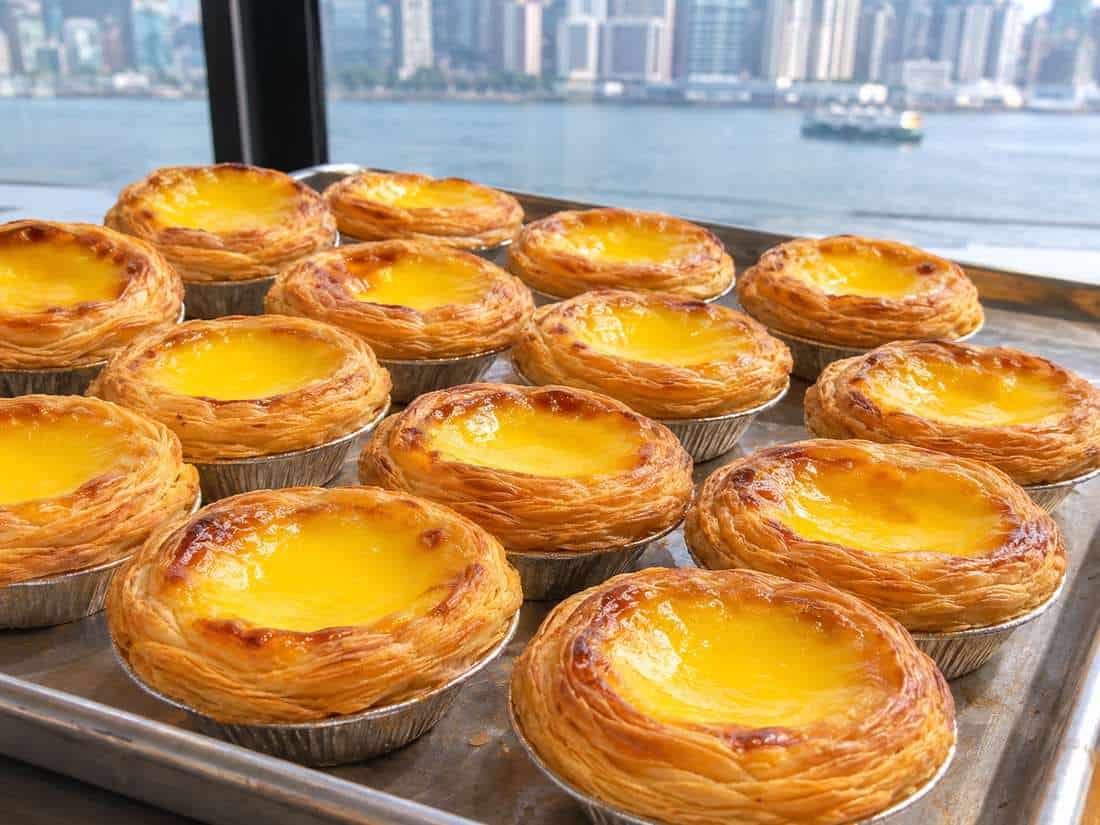
6. Egg tarts
Small tarts with a smooth, sweet egg custard in flaky or shortcrust pastry. According to TripPick, Tai Cheong Bakery has made them since 1954. Asiavela links the tart to British custard tarts adapted by Cantonese bakers. Eat them warm.
7. Hong Kong-style milk tea
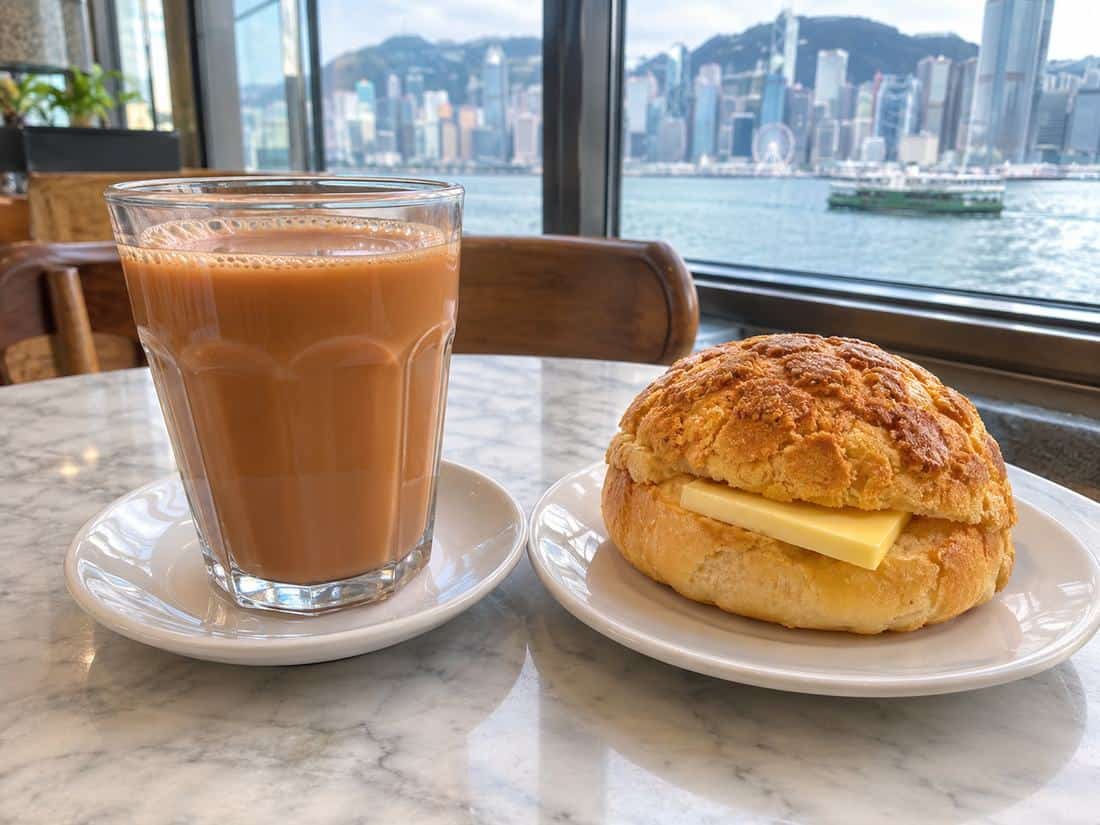
Strong black tea strained through a cloth filter, often said to look like a silk stocking, then mixed with evaporated or condensed milk. TripPick credits Lan Fong Yuen, open since 1952, with popularising the “silk stocking” style. Order it hot or iced in any cha chaan teng. For something stronger, try yuenyeung, a mix of coffee and milk tea that Table Journey also lists among the city’s signature drinks, named after a pair of mandarin ducks.
8. Pineapple bun with butter
A soft sweet bun with a crackly, golden top that looks like a pineapple; there is no pineapple in it. The classic version, bo lo yau, is split and filled with a thick slice of cold butter. It is one of the most loved snacks at cha chaan tengs.
9. Beef brisket noodles
Slow-braised beef brisket, sometimes with tendon, served in broth with noodles or with curry sauce. It is a common lunch at noodle shops across the city.
10. Claypot rice
Rice cooked in a clay pot over heat with toppings such as Chinese sausage, chicken or spare ribs, finished with sweet soy sauce. The crisp rice at the bottom is the best part. Table Journey lists it among Hong Kong’s signature dishes; it is mostly a winter dish.
11. Street snacks
- Curry fish balls: skewers of fish balls in curry sauce, sold at street stalls.
- Egg waffles (gai daan jai): a waffle made of bubble-shaped pockets, crisp outside and soft inside.
- Stinky tofu: fermented tofu, deep-fried, with strong smell and mild taste.
- Siu mai on a stick: the street version of the dim sum dumpling, in a yellow fish paste.
12. Dessert soups and sweets
Dessert shops serve tong sui, sweet soups such as red bean soup and black sesame soup, plus mango pomelo sago and double-skin milk pudding. They stay open late, which makes them a good final stop after a night out.
Where to eat them
- Tea houses and dim sum restaurants for yum cha.
- Cha chaan tengs for milk tea, pineapple buns, macaroni soup and French toast.
- Siu mei shops for roast goose and char siu.
- Noodle shops for wontons and brisket.
- Street stalls and markets in Mong Kok and Temple Street for snacks.
Go China Freely and Royal Caribbean give longer lists of districts and shops. Many of the best places are small, busy and cash-friendly, and some share tables with strangers at peak times.
A one-day food plan
Start with dim sum at a tea house. Mid-morning, try an egg tart from a bakery. Lunch on wonton noodles or roast goose on rice. In the afternoon, stop at a cha chaan teng for milk tea and a pineapple bun. Snack on egg waffles and curry fish balls in Mong Kok in the evening, then finish with claypot rice in winter or a dessert soup before bed. For a change of pace, the city also has many international restaurants, including tapas bars; see our guide to Spanish tapas.
Key takeaways
- Dim sum, roast goose and wonton noodles are the essential Cantonese dishes.
- Egg tarts, milk tea and pineapple buns show Hong Kong’s British-influenced café culture.
- Cha chaan tengs and siu mei shops are the cheapest places to eat well.
- Claypot rice is a winter dish; dessert soups are open late.
- Go early or be ready to queue at famous shops.
Common questions
What is Hong Kong’s most famous dish?
Dim sum is the best known, with roast goose and wonton noodles close behind.
What is a cha chaan teng?
A Hong Kong-style café serving milk tea, buns, noodles and Western-influenced dishes at low prices.
Is there pineapple in a pineapple bun?
No. The name comes from the crackly top, which looks like a pineapple skin.
When is the best time for dim sum?
Morning to early afternoon; weekends are busiest.
Is street food in Hong Kong safe?
Generally yes; choose busy stalls where food is cooked fresh.
How we put this together: dishes and shop histories come from the food guides listed below. Shops and opening hours change, so check before you go. Checked in November 2026.